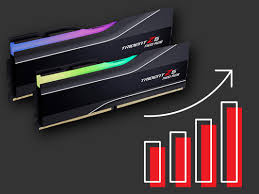
In an astonishing twist, RAM prices have skyrocketed to the point where stores are now selling memory modules at prices comparable to gourmet seafood like lobster. This alarming trend highlights the growing affordability crisis in the computer hardware market, a situation that could soon affect a wider range of electronics.
The surge in RAM costs has been particularly evident at retailers like Central Computers in the San Francisco Bay Area. A notice displayed in their store explains, “Costs are fluctuating daily as manufacturers and distributors adjust to limited supply and high demand.” As a result, fixed prices are no longer feasible. Similarly, Micro Center has adopted the same practice, urging customers to consult sales associates for current pricing due to market volatility.
The Impact of the RAM Crisis
The RAM shortage is reshaping the landscape of computer affordability, and its effects could extend beyond PCs to include gaming consoles and smartphones, all of which rely on RAM to function. Just three months ago, I purchased a 32GB memory kit for my gaming rig, and its price has more than tripled since then—an increase of over $300. To put it into perspective, the same kit that cost $130 now retails for around $440. While some 32GB kits can still be found for as low as $230, 64GB DDR5 kits are often priced at $700 to $900.
Potential Consequences for the Tech Industry
This RAM crisis could have significant implications for high-profile product launches. Valve has cited the RAM shortage as a reason for its inability to provide a fixed price for its upcoming Steam Machine. Additionally, the recent stabilization of GPU prices may be short-lived, as the rising cost of memory could push them back up again. Graphics cards require substantial VRAM, and both Nvidia and AMD may soon increase their pricing to adapt to the RAM situation.
Industry experts suggest that it’s prudent to purchase GPUs at or below the manufacturer’s suggested retail price (MSRP) while they are still available, especially those with 10GB or more of VRAM. On the console front, leaks suggest that Microsoft might have to increase Xbox prices again, although Sony has reportedly secured sufficient RAM for the PlayStation 5 to last for several months.
The Long-Term Outlook
Epic Games CEO Tim Sweeney has voiced concerns that it may take years for the high-end gaming market to recover from the RAM shortage. He attributes this to the high demand for DRAM needed for artificial intelligence applications, with data centers outbidding consumer electronics manufacturers for production capacity.
As the situation evolves, consumers and tech enthusiasts alike will need to stay vigilant and adapt to the rapidly changing market landscape. The RAM crisis is not just a temporary blip; it signals a larger shift in the tech industry that could redefine how we purchase and value technology.